Caring for Handmade Ceramics: Glaze, Wash and Display
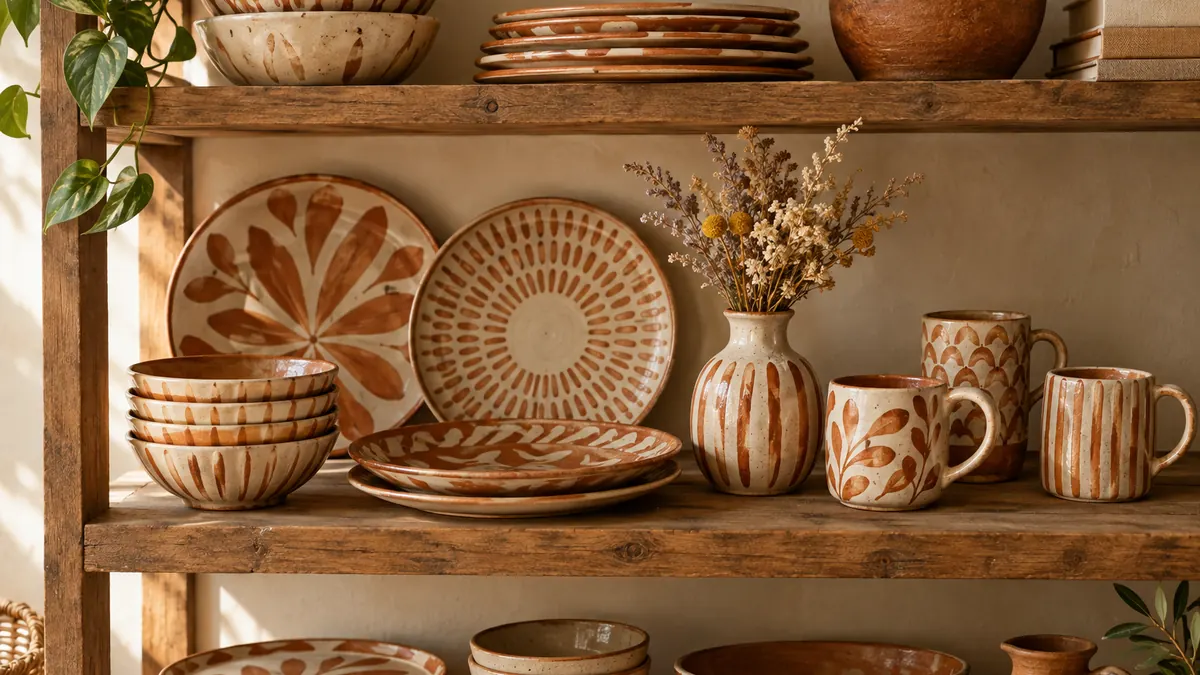
A handmade ceramic piece carries its maker's hand in it - the slight ridge where the glaze pooled, the thumb mark under the rim. Factory ware is uniform because nobody touched it. That human signature is why handmade pieces outlast trends, and with basic care they outlast their owners. Here is everything that matters, applied to the pieces in our ceramics and tabletop collection.
Most glazed stoneware is technically dishwasher-safe - but "safe" and "best" are different words. Dishwasher detergent is mildly abrasive and hot cycles slowly dull hand-painted details and unglazed rims. For pieces you love, hand-wash in warm water with mild dish soap, dry with a soft towel, and the glaze stays bright for decades. Reserve the dishwasher for daily workhorses. Never thermal-shock any ceramic: a cold piece into a hot oven or a hot dish onto a wet counter can crack even the best glaze.
Chips come from contact, not use. Stack plates with a paper towel or felt liner between them, and never stack anything on top of hand-painted relief work. Hang wall pieces on proper plate hangers, not wire hooks that grip the rim. Mugs and cups are the most-chipped pieces in any kitchen because handles take the knocks - store them with an inch of separation, handles facing the same way.
Two things dull a glaze: abrasive cleaners and hard-water film. Skip scouring powder entirely - a paste of baking soda and water lifts most residue without scratching. For tea and coffee stains in mugs, a soak of warm water and a denture-cleaning tablet removes what soap cannot, without abrasion. Hard-water spots wipe off with a cloth dampened in white vinegar, followed by a soap wash to remove the acid before it sits.
Ceramics are meant to work. Our stoneware dinner plates and hand-painted mugs are food-safe and made for real meals - the glaze is fired harder than paint on factory prints. Two honest limits: hand-painted metallic accents (gold luster) are hand-wash only, and pieces without a stated microwave-safe mark should stay out of the microwave, as some glazes and any air bubbles in clay can react to rapid heating.
A small chip on a plate's underside can be smoothed with fine wet sandpaper (400 grit, light circles) so it stops snagging - the piece stays food-safe as long as the food-contact surface is intact. A crack is different: cracked ware can harbor bacteria and fails at the worst moment, so demote cracked pieces to planters or pencil cups. Hairline cracks in the glaze (crazing) are usually cosmetic and common in artisan ware; if the piece is structurally sound, keep using it.
Ceramics deserve better than the back of a cabinet. Display rules: group odd numbers (three or five pieces), vary heights within the group, and put a light source within three feet - a nearby lamp makes a glazed vase look lit from within. Keep displayed pieces out of direct sun, which fades unglazed clay rims and painted detail over a couple of years. A sculptural ceramic vase on a shelf at eye level does more for a room than most art.
Twice a year, take stock: wash everything by hand even if it lives on a shelf (dust holds moisture and dulls glaze), check for chips that need smoothing, and rotate the display so no piece fades unevenly. For pieces that store rather than display, wrap in paper - never sealed plastic, which traps moisture against the glaze and causes that musty smell that never quite leaves.
Ceramics rarely live alone - they share shelves with wood and fiber. Wooden serving boards and trays want hand-washing and a monthly wipe of food-safe mineral oil to keep the grain sealed; never soak them, and never run them through the dishwasher, which strips the finish in a cycle or two. Woven coasters and baskets need only an occasional shake-out and a spot clean. Keeping each material to its own care routine is what makes a mixed tabletop age gracefully instead of falling apart piece by piece.
Care for handmade ceramics is mostly restraint: gentler washing, softer stacking, no thermal shocks. Do that and the pieces you buy this year will be the ones your family argues over in thirty. Start or extend your collection in the ceramics and tabletop collection, and set the table's atmosphere with warm light from our boho lighting guide.

A macrame hanging is the fastest way to add warmth to a bare wall - if it hangs at the right height and scale. The room-by-room rules.
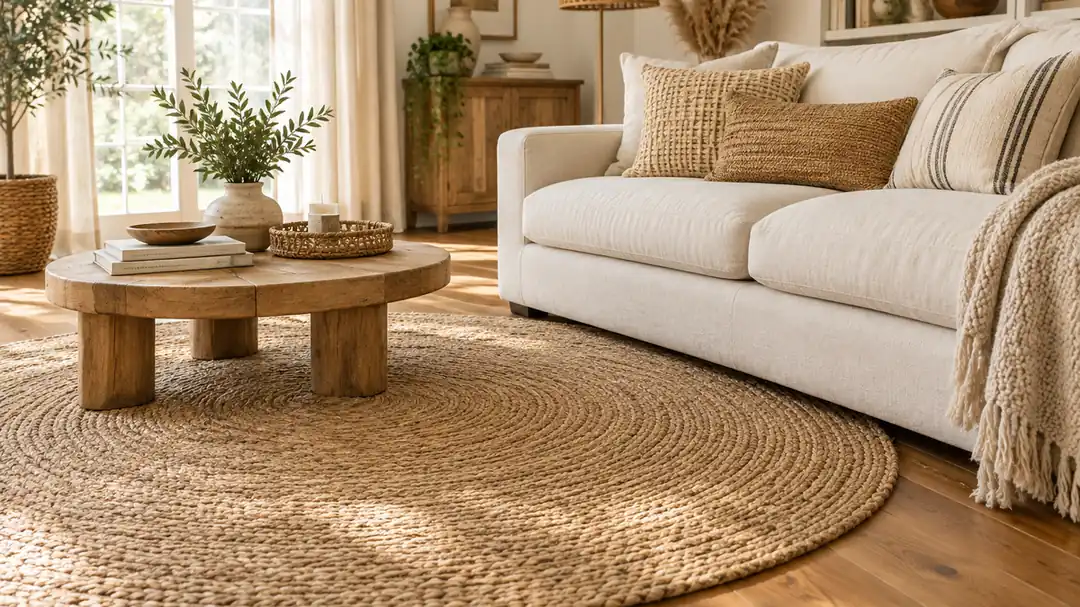
Jute, wool and cotton each earn their place in a different room. Durability, feel, cleaning and cost - compared honestly.

Boho warmth is not more stuff - it is three textile layers chosen in the right order. The system decorators use, simplified.